Series Overview

Topical Teachings

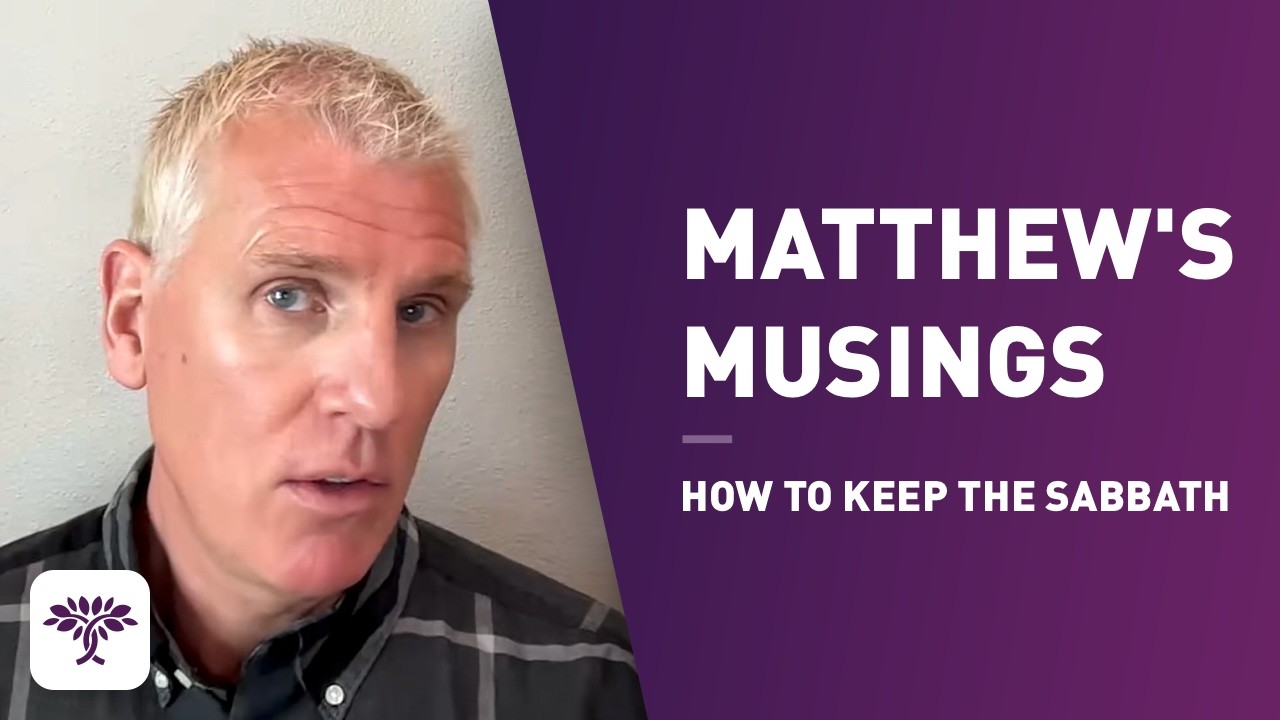
Matthew’s Musings, How to Keep the Sabbath

October 24, 2026

How do you actually keep the seventh-day Sabbath? Can you cook, travel, shop, carry things, attend a wedding, or even use a microwave? And which restrictions come from Scripture rather than religious tradition?

In this teaching, we return to the Torah, the Prophets, and the words of Yahusha to examine what יהוה actually commanded concerning the Sabbath and what centuries of religious interpretation may have added. From Exodus 16 and 20 to Isaiah 58, Nehemiah, Mark 2, Colossians 2, and Hebrews 4, we explore the practical meaning of keeping the Sabbath holy, ceasing from ordinary work, preparing beforehand, gathering for worship, and doing good. The Sabbath was never intended to become an exhausting collection of rules and loopholes. It was made for man, not man for the Sabbath.

Teaching Details

Matthew’s Musings, Yahusha and the Image Called “Jesus”

October 10, 2026

One is Yahusha, the historical Messiah of Israel, who honored his Father and called his disciples to follow him. The other is the religious image called “Jesus”: an image that bears his identity while being used to set aside the ways he honored. Only one Messiah lived. The real question today is: does the image we inherited resemble him?

Teaching Details

Matthew’s Musings, Law vs Grace: The Law Wasn’t the Problem – The Priesthood Was

September 12, 2026

For nearly two thousand years, Christians have argued over Law and Grace. But what if we've been asking the wrong question?
The issue may not be Torah versus Grace at all, but the difference between the Book of the Covenant and the Book of the Law, and the change in priesthood that took place with the coming of Yahusha.
In this teaching we go back to Abraham, Genesis 15, Sinai, the covenant Israel made with Yahweh, the Levitical priesthood, and the promise of a priest after the order of Melchizedek.
Then we follow that thread through Galatians and Hebrews.
Why does Paul say the law was added until the Seed should come? Why does Hebrews say that when the priesthood is changed, there is also a change of the law? And what does Hebrews mean by the “time of reformation”?
Most importantly, did Yahusha abolish the Torah; or did He restore something that had been lost?
Maybe the question was never simply LAW OR GRACE?
Maybe we should be asking:
Which covenant?
Which priesthood?
Which administration?
And what exactly changed when Yahusha came?

Teaching Details

Top TeachingView All

Stay Connected

Torah to the Tribes helps people discover the world’s most accurate account of the Melchizedek order, revealing hidden truths that will enrich your faith.

When you subscribe you’ll get the help you need in your personal studies of the Bible; let us help you with our huge library of resources.

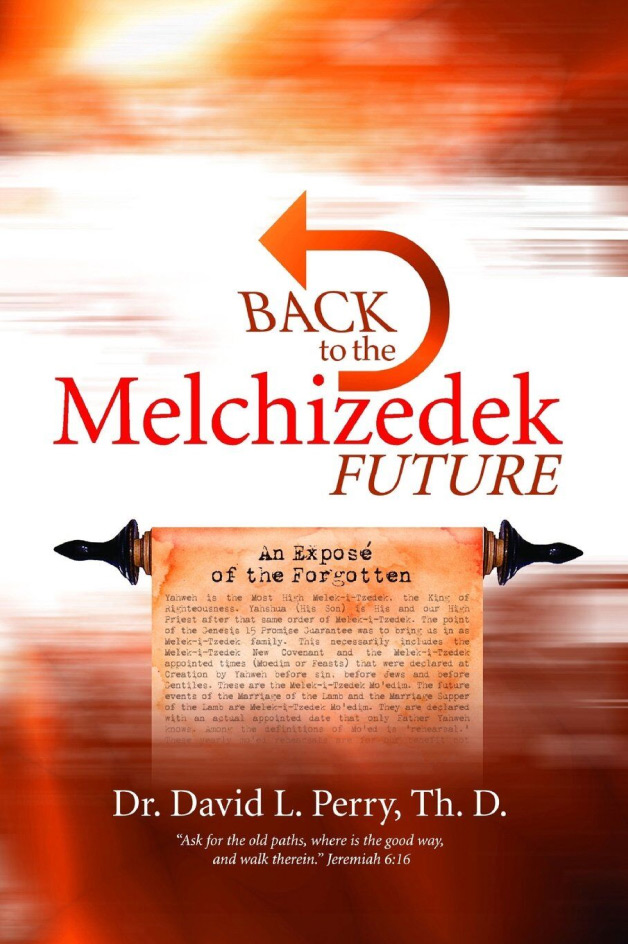
Free e-book: Back to the Melchizedek Future by Dr. Dave Perry PDF